
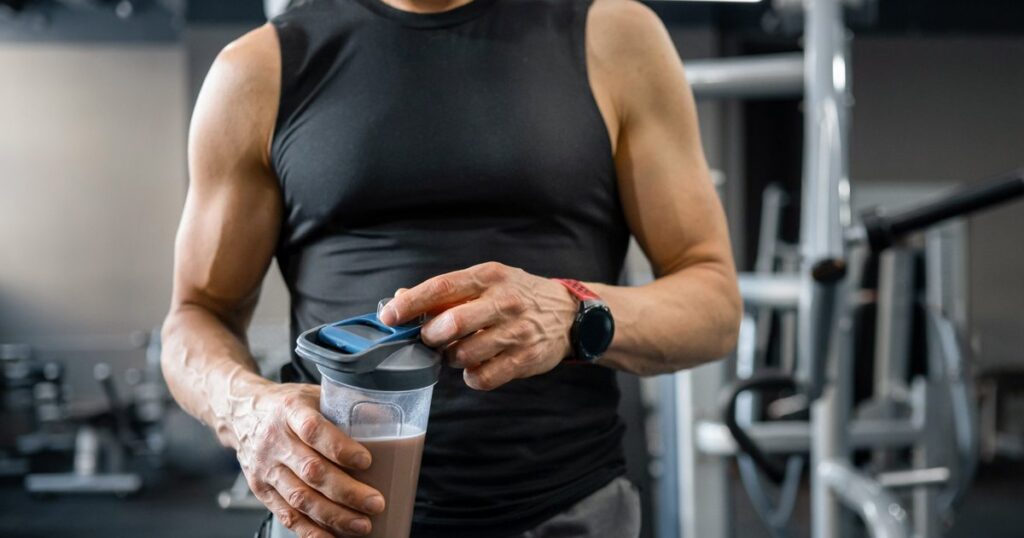
The scale can be misleading. You can lose 5kg and still look worse if that weight includes muscle. Conversely, you can gain 2kg and look better if that weight is pure muscle. The goal is fat loss, not just weight loss.
Why the Scale Lies to You
Bodyweight moves for reasons that have nothing to do with fat. A gram of stored carbohydrate holds around three grams of water with it, so a high carbohydrate day can add a kilogram overnight and lose it again by Tuesday.
Salt does the same thing. So does poor sleep, air travel, and for women the normal hormonal cycle, which can shift scale weight by one to two kilograms without a single gram of fat changing.
None of this is fat gain. It is water. But it is what people react to, and it is why so many well designed plans get abandoned in week two.
Body Composition Over Scale Weight
Body composition refers to the ratio of muscle to fat in your body. Improving this ratio creates the lean, toned appearance most people are after.
There is a second reason it matters. Muscle is metabolically active tissue. Two people at the same weight, one with more muscle, do not burn the same calories at rest. Losing muscle while dieting therefore makes every future attempt harder, because your maintenance calories drop with it.
How to Actually Measure Progress
Use several measures together rather than trusting any single one.
Weekly average weight. Weigh daily under the same conditions and compare this week’s average with last week’s. Individual mornings are noise.
A tape measure. Waist at the navel is the single most useful number. If your waist is shrinking while your weight holds steady, you are recomposing, and that is a better result than the scale suggests.
Photographs. Same light, same position, once a fortnight. Change happens too slowly to notice in a mirror and is obvious in a side by side comparison.
Strength in the gym. If your lifts are holding or climbing while you lose weight, you are keeping muscle. If they fall sharply, you are losing it.
What Fat Loss Actually Requires
Three things, and no more than three. A moderate calorie deficit, enough protein to protect muscle, and resistance training to give your body a reason to keep that muscle.
Remove any one of those and the outcome changes. A deficit without protein and training produces weight loss that is partly muscle, which is the outcome nobody wants and most people get.
A Realistic Timeline
Around 0.5 to 1 percent of bodyweight per week is the range where fat loss happens and muscle is retained. For most people that is half a kilogram a week, and roughly six kilograms of genuine fat over three months.
That sounds slow next to the claims made online. It is also the rate at which the result still exists a year later.
How Cibo Diet Supports Body Recomposition
Our Plans 3 and 4 are specifically designed to support fat loss while preserving muscle.
The protein target is met before you think about it, and the portions are fixed, which removes the slow drift upwards that undoes most deficits. You can compare durations and pricing on the meal plans page.
Call +971 4 396 6515 to start your transformation.