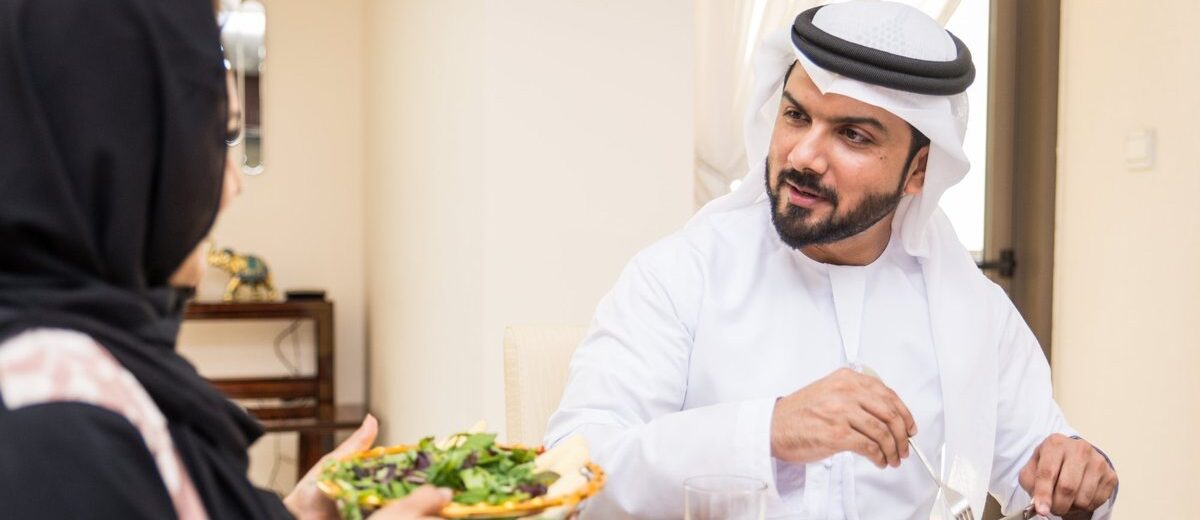

Ramadan presents unique nutritional challenges for athletes. A compressed eating window, disrupted sleep and dehydration can all impact performance. But with smart nutrition strategy, most athletes maintain or improve their physique during Ramadan.
What Actually Causes Muscle Loss During Ramadan
It is rarely the fasting itself. Research on athletes fasting during Ramadan consistently finds that when total daily protein and calories are maintained, lean mass is largely preserved.
The losses happen for three other reasons: total protein falls because there are only two eating opportunities, sleep is short and broken, and training is scheduled at a point in the day when the body has nothing available.
All three are fixable, and none of them require you to eat during fasting hours.
Suhoor Strategy
Suhoor should be your largest and slowest-digesting meal. Focus on complex carbohydrates, high protein (40-50g) and healthy fats. This sustains energy across the fasting period and prevents muscle breakdown.
Slow digesting protein matters here specifically. Casein based sources, dairy and eggs release amino acids over several hours rather than in one spike, which is what you want going into a long fast.
Do not skip Suhoor to gain an extra hour of sleep. It is the meal that determines how the fasting day feels and how much muscle you keep.
Iftar Strategy
Break your fast with dates and water first, then wait 15-20 minutes before a full meal. Your Iftar should replenish glycogen and provide 40-50g of quality protein.
The pause is not ceremonial. Eating a full meal immediately on an empty stomach after a long fast reliably produces discomfort and bloating, and it makes training later that evening unpleasant.
The Third Meal Most People Miss
Two meals rarely deliver enough protein for someone training seriously. A third feeding point between Iftar and Suhoor, even a modest one, is usually what separates maintaining muscle from losing it.
Aim for three eating occasions in the window rather than two large ones. Total protein across the night is the number that matters.
When to Train
There are three workable options and one poor one.
Ninety minutes after Iftar is best for most people. You are fed, hydrated, and can eat again afterwards.
Late evening, before Suhoor works well for strength training and leaves you able to eat immediately after.
Just before Iftar is tolerable for lighter sessions, with the advantage that you eat straight afterwards.
Mid afternoon is the poor option. You are at your most dehydrated with hours still to go before you can drink.
Expect to Maintain, Not to Progress
Reduce training volume by roughly 20 to 30 percent and keep the intensity. Holding your strength through Ramadan is a good outcome. Attempting personal records on broken sleep and restricted fluids is how injuries happen.
Cibo Diet Ramadan Plans
Contact us at +971 4 396 6515 for our special Ramadan meal plan designed for fasting athletes.
Meals arriving prepared removes the practical problem of cooking two substantial, correctly balanced meals at 3am and at sunset. You can also read our guide on staying hydrated during Ramadan.